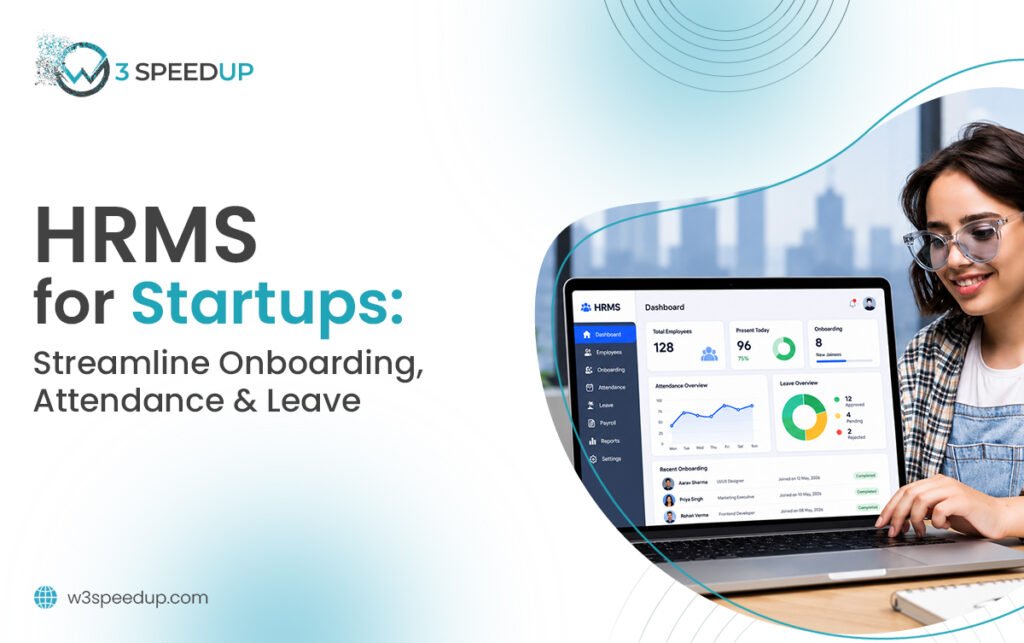
Most startups don’t think about HR until something breaks. A new joiner waits three days for their laptop access because nobody owns the onboarding checklist. An employee’s leave wasn’t logged properly, and now payroll is wrong. Not only this, but attendance records are sitting in a WhatsApp group or in a spreadsheet, leading to major blunders at the time of payroll. These are all avoidable issues, only if you have proper have proper HRMS software in India for your business.
What Is HRMS Software?
HR teams are stuck juggling hiring, payroll, attendance, and compliance – usually across a mess of different tools. HRMS pulls all this together in one place. One dashboard. No more hopping between tabs. No more lost files. For lean HR teams at small and mid-sized Indian businesses, this isn’t just a nice bonus – it’s literally how they get the job done.
Why Startups Need Better HRMS Tools for HR Operations?
There’s a very common belief in early-stage companies: we’re too small for proper HR systems. The logic sounds reasonable at first for ten people. Everyone sits together. The founder knows everyone’s name, their salary, and roughly what they’re working on. Why build a process around something that’s working fine on trust and WhatsApp?
The problem isn’t today. It’s what happens at 30 people, then 60, then 120.
By the time the chaos is visible, it’s already expensive – in lost time, compliance risk, and employees who quietly decide the company isn’t serious enough for them.
Enhances Onboarding Experience
A new employee decides a lot about a company in their first two weeks.
They’re watching how organised things are. They’re watching how organised things are. They notice whether their manager has time for them, if the necessary tools are ready, and whether anyone has planned for their arrival at all. Most startups fail this test not because they don’t care, but because onboarding lives in someone’s head rather than in a system.
Manual onboarding creates real gaps. Offer letters sent late. Documents collected over WhatsApp. IT access set up on day three. Tax declaration forms handed over in week two, sometimes never. Each of these feels like a small thing. Together, they send a message: we’re figuring this out as we go.
A structured onboarding tool changes this completely. Tasks get assigned automatically. The new joiner gets a checklist. HR knows what’s done and what’s pending without chasing anyone. The employee walks in on day one feeling expected – not like a surprise.
That feeling matters more than most founders realise.
Streamline Attendance & Shift Management
Attendance tracking in startups tends to follow a pattern. First it’s nothing, everyone’s in the office, who needs tracking? Then it’s a Google Sheet that someone updates sometimes. Then remote work starts, or field teams are added, and the sheet stops making sense entirely. By the time leadership asks for an attendance report, the answer is a very long pause followed by “we’ll have to compile that.”
The operational cost here is real. Payroll depends on accurate attendance. LOP deductions (Loss of Pay) can’t be calculated correctly if you don’t know who was absent and when. Statutory compliance, specifically for PF and ESIC calculations, requires reliable attendance data.
Modern attendance tools solve this at the source. Geo-fencing marks attendance when an employee enters the work location. Biometric integration syncs punch data directly. Mobile apps let field employees mark attendance from wherever they actually are. The data flows into payroll automatically – no manual compilation, no version disputes, no last-minute panic before salary processing.
Leave Management to Automate Workflow
Leave sounds like a simple thing to manage. It isn’t.
Each and every request for leave that reaches via WhatsApp or email requires taking an action, communicating, documenting, and processing in the payroll department. If any of these four components are missed in any way, someone is bound to have a tough time. Usually the employee. Sometimes the company.
Startups with manual leave processes tend to accumulate errors quietly. Balances aren’t updated. Encashment calculations at full-and-final settlement are wrong. Employees don’t know how many leaves they have left and ask HR, who then has to check a spreadsheet, which may or may not be accurate.
A proper leave management system automates the entire flow. Employee applies. Manager gets notified and approves or rejects. Balance updates immediately. Payroll receives the data without anyone copying it across. The employee can check their own balance without asking anyone.
Through a proper system, employees are able to see their own data. They can track and manage their leaves, helping to reduce HR’s administrative.
Why Getting Right HRMS Tools Early Matters
Fixing HR processes at 200 people is genuinely hard. Here are the reasons why getting HRMS tools matters for a Startup:
- You’re migrating data, retraining managers, correcting months of payroll errors, and trying to run the business at the same time. None of it is impossible, but all of it is avoidable if the foundation was laid earlier.
- Startups that invest in proper HR tools at 20 or 30 people don’t just save time. They build a culture where processes are respected, data is trusted, and employees feel like the organisation is
- professionally run. That reputation attracts better talent. It retains the people already there. It also makes fundraising conversations easier when investors ask about operational maturity.
The cost of a decent HRMS is a fraction of one bad hire, one compliance penalty, or one good employee who left because things felt too disorganised.
Conclusion
This isn’t about whether your business needs human resource software. This is about how much chaos your business can live with until you get your act together. Each additional month of doing things manually means one more month of growing mistakes, one more month of people joining and having their first week messed up. Instead, you can switch to a reliable HRMS solution that provides advanced attendance management software and payroll systems. Not only does it help with streamlining workflow, but also enhances employee experience. Companies that learn this earlier become successful.
FAQs
Q1. Why Do Startups Need HRMS Tools?
Startups scale up fast. Manual HR just can’t keep up. Founders wind up losing hours to payroll mistakes, messy leave records, and worrying about compliance. An HRMS picks up the annoying, repetitive work behind the scenes, so your small HR team gets way more done. And when your team size doubles? The system just scales with you. No process breakdowns.
Q2. How HRMS Improves Employee Onboarding?
HRMS takes care of offer letters, collecting documents, and setting up access – even before your new hire’s first day. People show up ready to go, not sitting around for paperwork. HR gets to skip the endless chasing. Onboarding finally turns into a real process instead of a last-minute scramble.
Q3. How HRMS Simplifies Attendance Management?
Attendance is handled automatically – biometrics, app check-ins, even geo-fencing. That data flows straight into payroll. You skip the manual entries, those frantic end-of-month reconciliations, and the fights about hours worked.
Q4. How HRMS Automates Leave Tracking?
Employees apply for leave right in the app. Managers approve in a click. Leave balances update instantly. LOP deductions get sorted before payroll, every time. So you don’t have to go correcting mistakes later or deal with complaints.
Q5. How HRMS Streamlines Payroll Processing?
Attendance, leave, salary data – HRMS pulls it all together and processes payroll in a few minutes. PF, ESIC, TDS? Automatic. Salary slips are on time. Form 16 is right there when you need it. Audits stop feeling like a disaster waiting to happen.
Q6. How to Choose the Right HRMS for Your Startup?
You want a fast setup, pricing that makes sense for startups, and solid compliance for Indian regulations – PF, ESIC, TDS. Mobile access is a must. Real customer support helps, too. The right HRMS solves your actual pain points today – not just what looks flashy in a product demo.